

Settlement & Revenue Sharing
Claim earned payments onchain and distribute them to the configured beneficiaries.
Check what has settled#
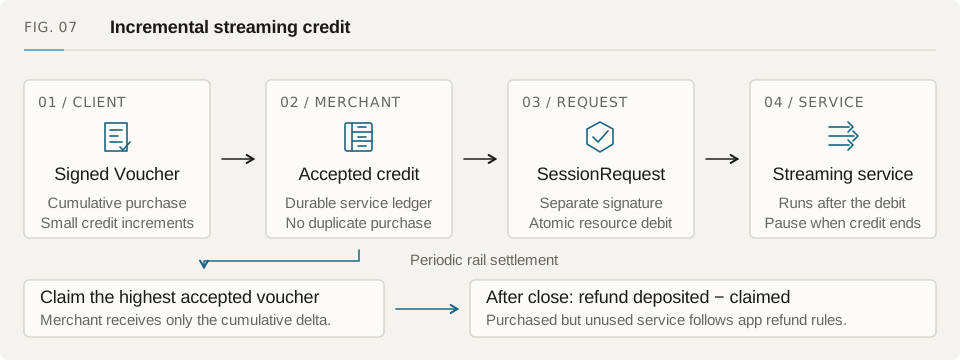
The merchant ledger records accepted credit, debited requests and budget usage. Settlement claims an earned voucher or rail entitlement onchain. Those amounts may differ until a claim confirms.
Check the claim transaction and rail state after a service debit. Watch close and expiry deadlines too, since they can end the remaining claim window.
Fund an escrow#
Configure the funding driver with the factory, rail and asset identities, runtime hashes, decimals, kind, authority, budget, receiver and timers. prepare returns the withdrawal destination and amount. The holder must separately prove and send that Pool withdrawal.
Once assets arrive, deploy and activate the escrow. fund is an alias for those steps. It does not move money from a wallet or construct the private spend proof.
| Method | Action |
|---|---|
| prepare() | Return the predicted funding recipient and amount |
| deploy() | Deploy the configured escrow |
| activate() | Activate assets already received by the escrow |
| cancel() | Cancel through the funding authority's escrow path |
| forwardRefundCredits() | Forward rail refunds to the immutable external receiver |
Recover an interrupted claim#
Save broadcast intent before sending. After a timeout, keep it pending or uncertain and check chain state before retrying. If another relayer claims the voucher first, your transaction can revert even though the payment has settled.
A ledger commit, onchain claim and provider job can succeed or fail separately. Use durable job IDs and define how your application resumes failed work or refunds it.